
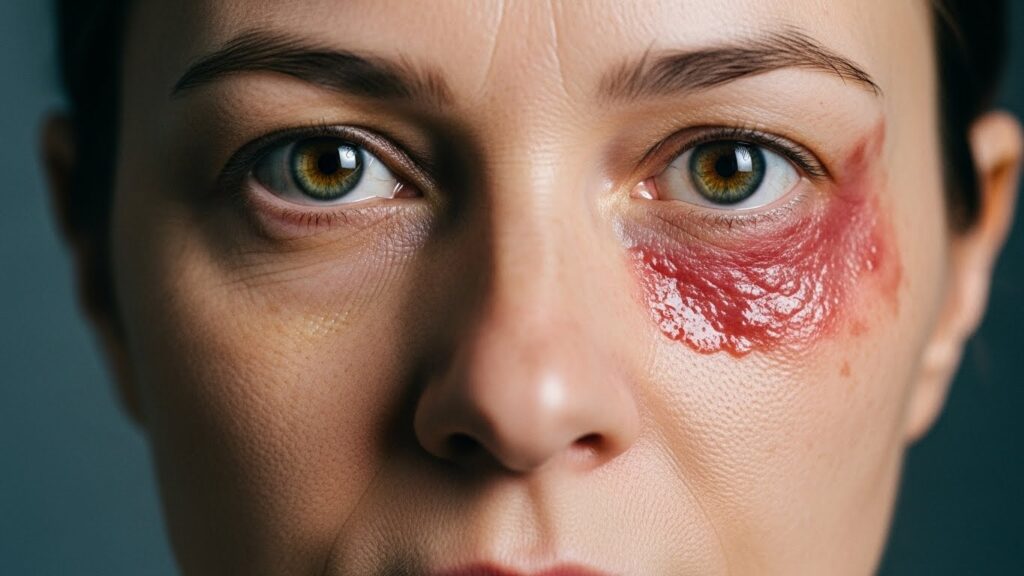
Skin cancer is the most commonly diagnosed cancer in Australia, yet it is also one of the most preventable and treatable when caught early. One of the simplest things you can do is attend regular skin checks with a trained GP. But how often is often enough? The answer depends on your individual risk profile — and this guide will help you understand where you sit. Camberwell Health is an accredited skin cancer specialist clinic serving the Camberwell community and surrounding suburbs.
The Scale of Skin Cancer in Australia
To understand why regular skin checks matter, it helps to appreciate the scope of the issue. According to the Cancer Council Australia, skin cancers account for around 80 per cent of all newly diagnosed cancers in Australia each year. Melanoma alone kills more than 1,800 Australians annually — yet when detected at an early stage, the five-year survival rate is very high.
Australia’s climate, outdoor culture, and predominantly fair-skinned population all contribute to this elevated risk. The good news is that skin cancer detected early is almost always treatable.
What Are the Main Types of Skin Cancer?
There are three main types of skin cancer:
Basal cell carcinoma (BCC): The most common form. Usually appears on sun-exposed areas and rarely spreads, but can cause local tissue damage if left untreated.
Squamous cell carcinoma (SCC): Can develop from sun-damaged skin and has a higher risk of spreading than BCC if untreated.
Melanoma: Less common but the most dangerous. Can develop from an existing mole or appear as a new lesion. Early detection is critical.
How Often Should You Have a Skin Check?
There is no single recommendation that applies to everyone. The appropriate frequency depends on your personal risk level.
Lower risk individuals: If you have no personal or family history of skin cancer, few moles, and a medium-to-olive complexion, a skin check every two years is commonly recommended. Your GP may suggest a different interval based on your circumstances.
Moderate risk individuals: If you have a large number of moles, fair skin, a history of significant sun exposure or sunburn, or a family history of melanoma, an annual skin check is generally recommended.
Higher risk individuals: If you’ve previously been diagnosed with skin cancer or have certain genetic factors, your GP may recommend checks every six months or more frequently.
The best approach is to discuss your personal risk with your GP, who can recommend a schedule tailored to you.
Self-Examination Between Checks
Regular self-examination is an important complement to professional skin checks. Get familiar with your skin so you can notice any changes. Check your entire body systematically once a month, using a mirror to examine your back, scalp, and other hard-to-see areas.
Use the ABCDE rule to assess any spots: look for Asymmetry, Border irregularity, Colour variation, Diameter larger than 6mm, and any Evolution or change. If you notice something new or changing, see your GP promptly rather than waiting for your next scheduled check.
Sun Protection Year-Round
Regular skin checks work best alongside consistent sun protection habits. The Cancer Council Australia recommends a combination of approaches: applying SPF 50+ sunscreen daily (not just at the beach), wearing sun-protective clothing and a broad-brimmed hat, seeking shade during peak UV hours (10 am to 2 pm standard time, or 11 am to 3 pm daylight saving time), and wearing UV-protective sunglasses.
In Melbourne, the UV index can reach high levels on summer days, so protection is important even in cooler months.
Booking a Skin Check at Camberwell Health
Camberwell Health is an accredited skin cancer specialist clinic in Camberwell. Our GPs are experienced in identifying and managing skin cancer, and we use dermatoscopy to examine lesions more closely.
If you’re overdue for a skin check, or you’ve noticed a new or changing spot, book an appointment through HotDoc or call us on (03) 9882 0055. Early detection is the best protection.