
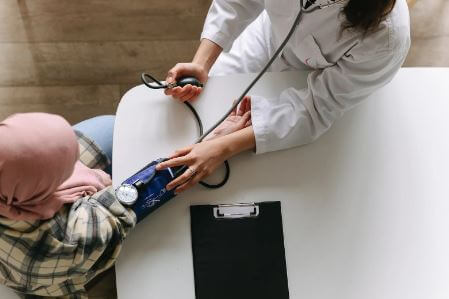
As a parent, you make dozens of decisions every day about your child’s health and safety. Vaccinations are one of the most impactful of those decisions — and one of the most well-researched areas of preventive medicine. At Camberwell Health in Camberwell, we support families in staying on top of their children’s vaccination schedule, because we know that protected children mean healthier communities.
The Diseases Vaccines Prevent Are Still Present
It can be easy to assume that diseases like whooping cough, measles, and meningitis are problems of the past. But these diseases haven’t disappeared — they still circulate in communities, and outbreaks still occur when vaccination rates drop. Measles, for example, was declared eliminated in Australia but has re-emerged through imported cases and spread among unvaccinated individuals.
The reason these diseases seem rare is largely that vaccination has made them rare. Keeping up with vaccinations is what maintains that protection.
Babies Are Most Vulnerable
The early weeks and months of a child’s life are when they are most vulnerable to serious infection, yet their immune systems are not yet mature enough to fight off many diseases. The childhood vaccination schedule is designed to provide protection as early as possible, with the first vaccines given at six weeks of age.
Some vaccines require multiple doses given over time to build full protection. Missing or delaying doses can leave a window of vulnerability that puts your child — and those around them — at risk.
Whooping Cough: A Reminder of Why Timing Matters
Whooping cough (pertussis) is a particularly striking example of the importance of vaccination timing. It can be life-threatening for babies under six months, who are too young to have completed their vaccination course. The best protection for newborns comes from the people around them being vaccinated — including parents, grandparents, and carers. This is why a whooping cough booster is recommended in pregnancy and why keeping older children up to date matters so much.
Vaccinations Support School and Childcare Attendance
In Australia, children are required to meet immunisation requirements to attend childcare and kindergarten under the No Jab No Play policy (in Victoria). Children’s immunisation status is also assessed for Family Tax Benefit eligibility under the No Jab No Pay policy. Staying up to date avoids disruptions to childcare attendance and entitlements.
Vaccine Safety: What the Evidence Shows
Vaccine safety is rigorously tested before any vaccine is approved for use in Australia. The Therapeutic Goods Administration (TGA) assesses all vaccines, and safety surveillance continues after approval. Serious adverse reactions to vaccines are very rare.
Common reactions such as mild fever, soreness at the injection site, or unsettled behaviour are normal signs that the body is building immunity. These typically resolve within a day or two.
If you have questions or concerns about vaccine safety, your GP is the right person to speak to. They can discuss the evidence with you and help you make an informed decision.
What to Do If Your Child Has Missed Vaccinations
Life gets busy, appointments get missed, and sometimes children move between healthcare providers with records that don’t follow them. If your child is behind on their vaccinations, there’s no need to start the schedule again — catch-up programs are available that allow your GP to bring your child up to date efficiently.
Check your child’s immunisation history through Medicare online services, or ask our team at Camberwell Health to look it up for you. We can review where your child is up to and book a catch-up appointment.
Booking a Vaccination Appointment
At Camberwell Health, children’s immunisations are bulk billed. Appointments are available during our opening hours, Monday to Saturday. Book online through HotDoc or call us on (03) 9882 0055.